


Publish date: 2026-07-15
In electronic engineering, precision instrumentation, and high-temperature industrial sectors, the performance limits of equipment are often defined by materials. Conventional metals or general-purpose ceramics frequently fall short due to insufficient wear resistance, thermal expansion-induced deformation, or unstable electrical properties, directly constraining production yield. Silicon carbide (SiC) ceramic, as a high-performance advanced ceramic, is emerging as a cornerstone material in electronic engineering and precision machinery — thanks to its high hardness, excellent thermal conductivity, and tunable electrical properties.
This guide provides a complete selection framework covering material properties, manufacturing processes, typical application scenarios, and supplier evaluation, helping you quickly determine whether SiC ceramic is the right fit for your operating conditions.
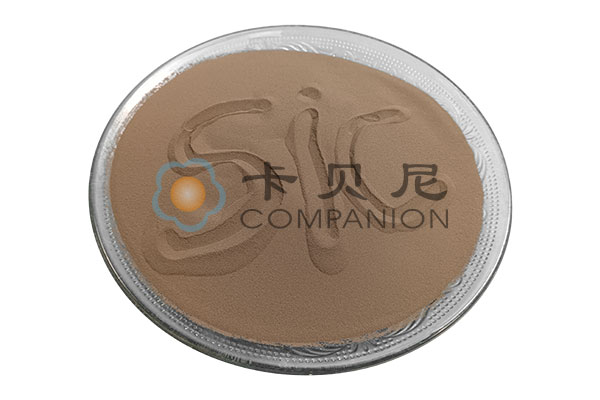
From a materials science perspective, silicon carbide ceramic is a high-performance advanced ceramic material. It is a compound of silicon (Si) and carbon (C) bonded through strong covalent bonds. With excellent high-temperature resistance, high hardness (approximately 9.2–9.5 on the Mohs scale), and good wear resistance, silicon carbide has become one of the most important structural materials in modern industry. Whether in high-temperature furnaces, electronic engineering equipment, chemical machinery, or energy systems, it maintains stable dimensions and mechanical properties under demanding conditions.
 |
The core properties of silicon carbide ceramics make them indispensable under extreme operating conditions:
| Property | Performance Characteristics | Typical Applications |
| High Hardness (Mohs 9.2–9.5) | Approaches diamond; resists wear under prolonged friction and material冲刷 | Mechanical seals, nozzles, grinding rings |
| Excellent Thermal Conductivity | High thermal conductivity enables rapid heat dissipation from equipment | SiC substrates, heat dissipation components, heating elements |
| High-Temperature & Thermal Shock Resistance | Dimensionally stable at 1,000°C+; no cracking under severe thermal gradients | High-temperature furnace tubes, kiln furniture, radiant tubes |
| Chemical Stability | Resistant to most acids, alkalis, and corrosive media | Chemical packing, anti-corrosion linings, etch chamber components |
| Tunable Electrical Properties | Can be formulated as insulating, semi-conductive, or conductive | ESD-safe components, plasma-environment parts |
| High Purity | Achievable 99%+ purity; no particle shedding or contamination | Electronic component handlers, CVD/MOCVD carriers |
 |
The final performance of silicon carbide ceramic is roughly 60% determined by raw materials and 40% by the sintering process. Understanding these five core steps helps evaluate a supplier's manufacturing capability:
1. Raw Material Preparation: High-Purity Powder and Precision Granulation
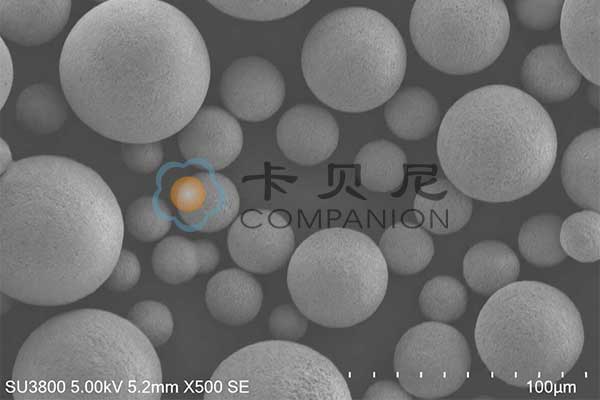
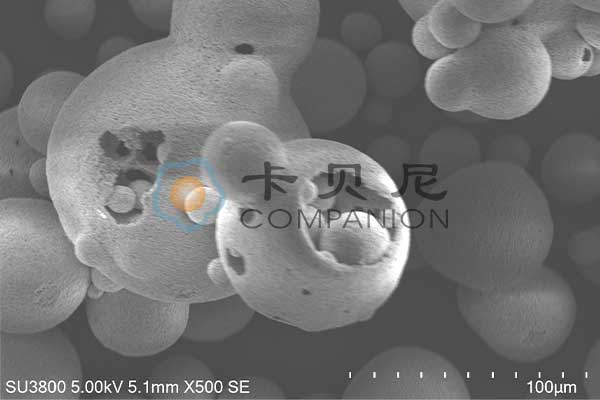
Starting with high-purity silicon carbide powder, precision granulation ensures good sphericity, uniform particle size distribution, and controlled moisture content. This step directly determines the uniformity of subsequent forming and the density achieved during sintering.
 |
 |
|
Companion Premium SiC Powder (Microstructure) |
Conventional SiC Powder (Microstructure) |
2. Pressing and Forming: Shaping Powder into Part Geometry
The granulated powder is loaded into molds and compacted via cold isostatic pressing or dry pressing to achieve tight, uniform packing within the mold, forming a regular green body. The density uniformity of the green body directly affects the dimensional accuracy of the final product.
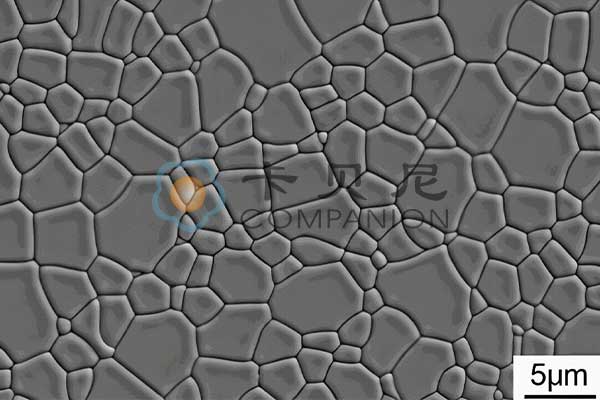
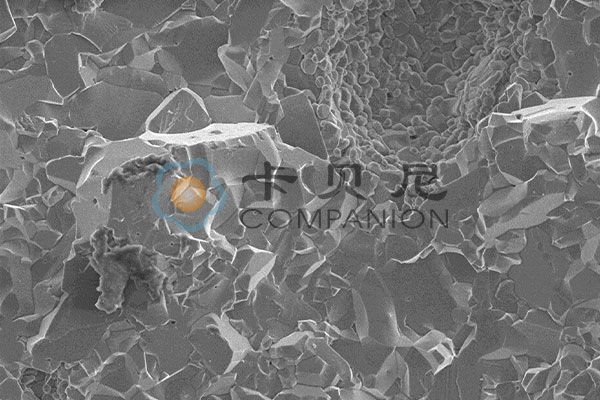
3. High-Temperature Sintering: The Critical Performance-Defining Step
The green body is placed in a high-temperature furnace; the core objective is to form a crystal structure with fine grains, high density, and a single dominant phase. The mainstream sintering routes are compared below:
| Sintering Method | Density | Cost | Suitable Applications |
| Pressureless Sintering | High | Moderate | High-wear, high-corrosion-resistance parts |
| Reaction Bonded | Moderate | Relatively Low | Large complex shapes; moderate density requirements |
| Hot Pressing / HIP | Very High | High | Aerospace, defense, and premium-grade requirements |
 |
 |
|
Companion SiC: Optimized Structure (Fine Grains + High Density) |
Conventional SiC: Poor Structure (Large Grains + Low Density) |
4. Precision Machining: From Sintered Body to Precision Component
After sintering, the ceramic body requires CNC precision grinding to achieve micron-level flatness, parallelism, and surface roughness. This stage demands substantial equipment capability and experience — ceramics are hard yet brittle, and even slight mishandling during machining can cause edge chipping and scrap the part.
5. Electrical Property Tuning (Optional)
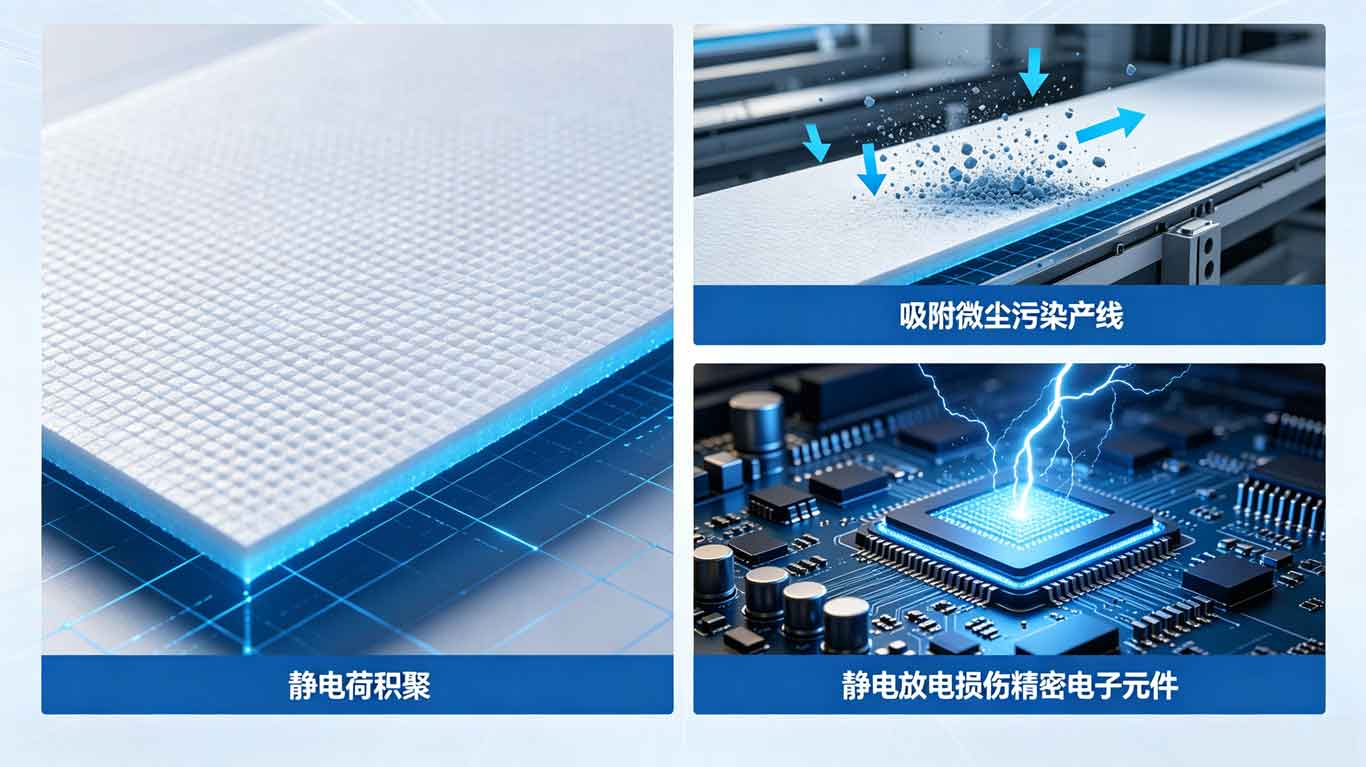
The electrical properties of silicon carbide ceramics can be flexibly tuned through ion implantation doping processes: implanting nitrogen atoms introduces free electrons for conductivity; incorporating aluminum atoms creates conductive holes. By controlling the type and concentration of dopant elements, insulating, semi-conductive, or conventional conductive products can be manufactured — enabling on-demand customization. This is particularly important in ESD-safe and plasma-exposed environments within electronic engineering production lines.
 |
Leveraging its structural advantages and flexible process modification capabilities, silicon carbide ceramic is enabling a wide range of industrial sectors:
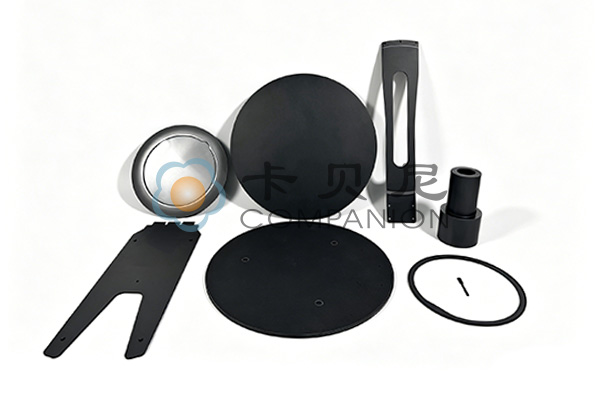
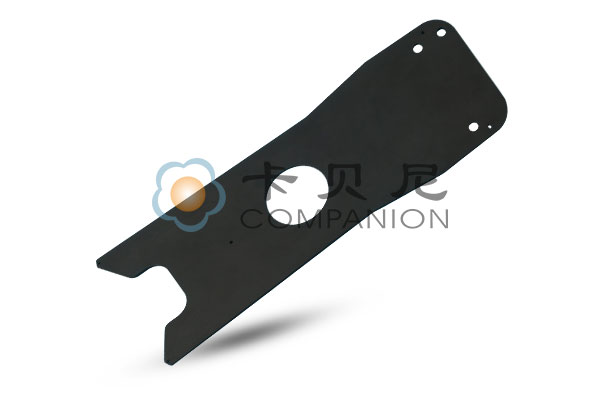
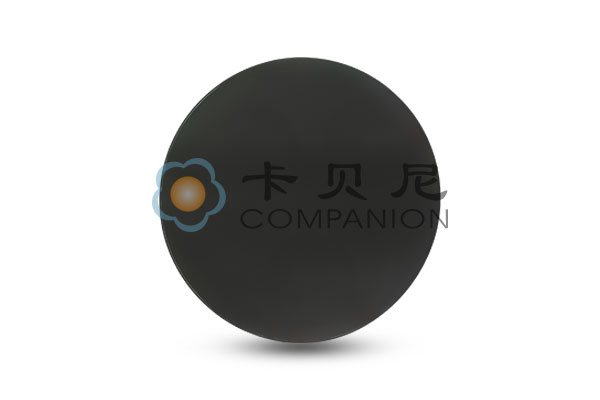
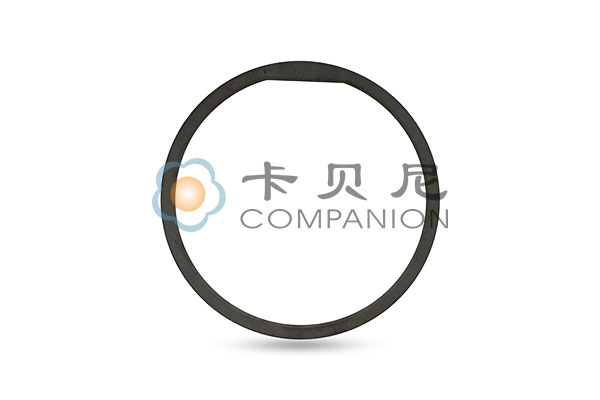
• Electronic Engineering: Heat dissipation components, insulating positioning parts, vacuum chuck assemblies, and conductive ceramic accessories.
• Machinery & Equipment: Wear-resistant seals, industrial nozzles, equipment wear liners, and other consumable components.
• Energy: Heat-resistant insulating components, thermal conductive substrates, and protective ceramic parts.
• Petrochemical & Smelting: Anti-corrosion flow-guide components, high-temperature auxiliary structural parts, and wear-resistant transfer fittings.
• Precision Instruments: High-precision positioning micro-components and vibration-resistant, wear-resistant precision ceramic parts.
 |
 |
 |
Many first-time buyers of custom ceramic parts instinctively benchmark pricing against metal fabrication standards — this is one of the most common pitfalls. The differences between ceramic suppliers are not reflected in the quote sheet; they lie in the details. The following four dimensions help you identify a truly reliable partner among manufacturers who can produce ceramics.
(1) Dimension One: Material Purity and Batch-to-Batch Consistency
• Industry pain point: In advanced manufacturing, trace impurities within the material are the primary cause of micro-cracks or electrical property drift during service.
• A capable supplier must have the ability to control quality starting from the raw material source, rather than simply purchasing generic commercial powders for sintering. Buyers should evaluate whether the supplier has the underlying raw material R&D and formulation capability to ensure high consistency in thermal conductivity, resistivity, and hardness across every batch.
• Companion's commitment: Quality control begins with raw materials; our technical strength is rooted in in-house R&D. We are dedicated to ensuring stable and reliable key performance indicators such as thermal conductivity, resistivity, and hardness.
(2) Dimension Two: Precision Machining Capability
• Industry pain point: The high hardness of silicon carbide (Mohs ~9.2–9.5) is a double-edged sword: it provides excellent wear resistance but poses significant challenges for post-sintering machining. Micron-level dimensional deviations in electronic engineering equipment assembly can directly cause electronic component damage or chamber seal failure.
• A good ceramic supplier must go beyond the sintering stage and possess deep precision CNC post-machining capability. Buyers should verify whether the supplier can achieve sub-micron flatness and parallelism control. Additionally, for demanding plasma-etch applications, whether the supplier can provide plasma-resistance validation and comprehensive reliability testing is critical to mitigating downstream trial-and-error risk.
• Companion's commitment: We operate a professional precision CNC grinding center capable of micron-level flatness and parallelism control, ensuring reliable machining accuracy. Our reliability and plasma-resistance testing programs substantially improve the operational stability of components under harsh conditions.
(3) Dimension Three: Custom Development and Reverse Engineering Capability
• Industry pain point: Standard parts often cannot accommodate complex application conditions. If a supplier can only "build to print," this often results in unnecessarily high machining costs and may even preserve performance bottlenecks from the original design.
• A quality supplier should serve as your extended engineering team. They should possess reverse engineering and DFM (Design for Manufacturing) analysis capabilities, proactively optimizing structures or processes (such as ion implantation doping for electrical property tuning) while preserving core performance, helping customers shorten development cycles and reduce manufacturing costs.
• Companion's commitment: We are more than a precision ceramic manufacturer — we are a development partner deeply engaged in your R&D process. For non-standard parts, we provide professional reverse development and structural/electrical performance optimization solutions, translating materials science expertise into your tangible competitive advantage.
(4) Dimension Four: Delivery Quality and Cleanliness Standards
• Industry pain point: In contamination-sensitive advanced manufacturing lines, micro-particles shed from ceramic component surfaces are a hidden hazard that can directly cause line shutdowns or product scrap.
• A supplier's delivery standards must seamlessly align with the customer's cleanroom management requirements. Buyers should rigorously confirm whether the supplier has dust-free processing and packaging capabilities, ensuring that delivered components are ready for direct assembly in high-grade cleanroom environments right out of the box.
• Companion's commitment: We understand the decisive impact of particle control on process yield. Through our vacuum cleanroom packaging services, we help manage surface particle metrics, reduce contamination risks on the production line, and support customers in improving their manufacturing environment and steadily optimizing process yield.
As a precision ceramic manufacturer, Companion is deeply engaged in the advanced materials field and supports custom manufacturing and reverse development of silicon carbide ceramic components from drawings. Contact us today for pricing and application-specific solutions for SiC robot arms, SiC carrier discs, SiC vacuum chucks and other product series, helping your industrial equipment run smoothly and efficiently.
Q1: What is the minimum order quantity (MOQ)?
A: MOQ is assessed based on product complexity: simple-structure products may support small-batch trials of a few to several dozen pieces; complex custom products generally begin with prototyping and sample validation, after which both parties jointly discuss volume production arrangements based on overall project progress. You are welcome to provide drawings or physical samples, and we will assist in calculating pricing and MOQ proposals.
Q2: What is the typical lead time?
A: Standard products are scheduled and delivered according to existing production planning. Custom parts manufactured from customer drawings require tooling, sampling, and inspection, with lead times varying based on part complexity. Batch order delivery timelines are determined based on order quantity and shop-floor capacity planning.
Q3: Why do prices for custom ceramic parts vary so widely?
A: The main differences come from three aspects: ① sintering process (hot pressing > pressureless > reaction bonded); ② machining difficulty (complex geometries require more CNC machine time, and ceramic machining is significantly slower than metal); ③ batch size (tooling cost amortized per unit). It is advisable to request an itemized quotation from the supplier to facilitate cost-structure comparisons across different proposals.
Q4: Can you provide reliability test reports?
A: Available on request. For critical structural components, relevant testing can be provided as needed, along with analytical recommendations based on the customer's actual operating conditions for verification and reference.
We welcome you to contact Companion. We are dedicated to providing well-matched ceramic structural solutions for diverse industrial application scenarios.


 LANGUAGE
 WhatsApp


